
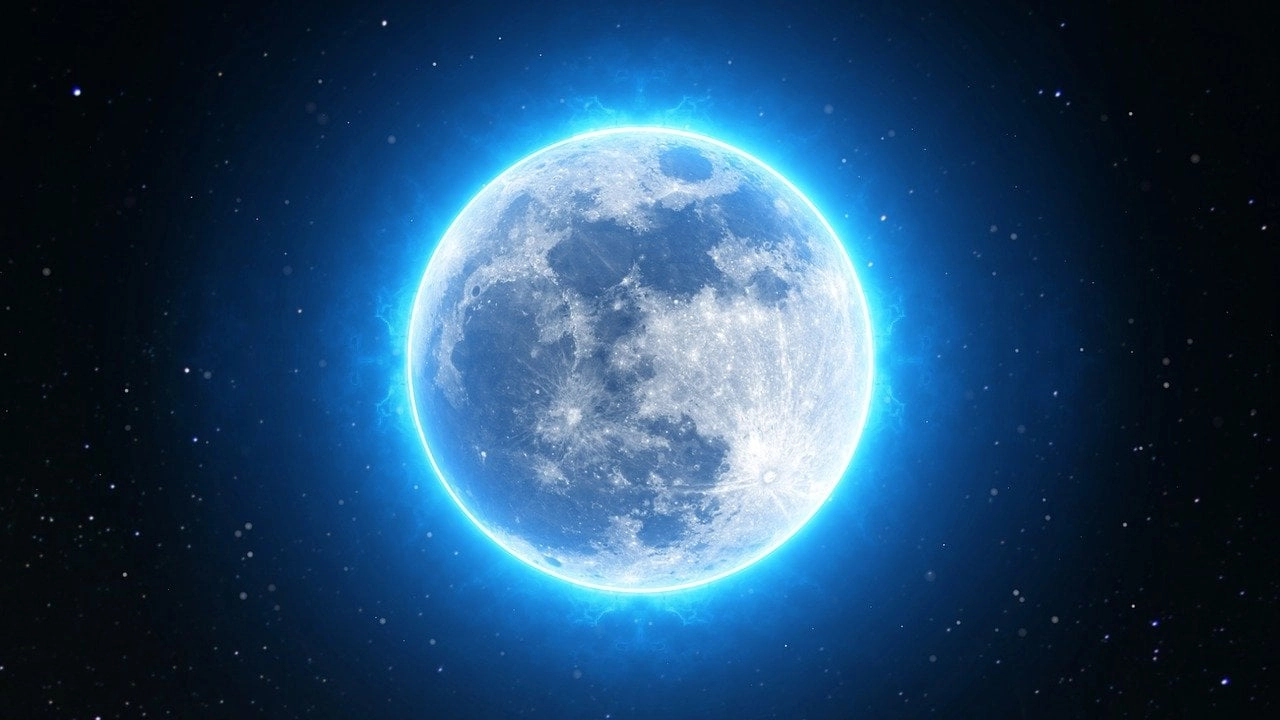
2026 Mini Full Moon & Blue Moon Observation
Witness a rare astronomical event on May 31, 2026, as a Blue Moon coincides with the year's smallest full moon, known as a Micromoon. Learn how to observe this celestial rarity.
- When
31 May 2026, 08:45-19:45 HKT
- Location
Hong Kong Sky (Resources via HK Space Museum)
Kowloon Tsim Sha Tsui Yau Tsim Mong
10 Salisbury Road, Tsim Sha Tsui, Kowloon (Hong Kong Space Museum)
- Important dates
Astronomy Education at HK Space Museum
31 May 2026, 08:45-19:45 HKT
Access astronomical resources and stargazing tips from the Hong Kong Space Museum.
The Hong Kong Space Museum offers extensive resources for understanding the May 2026 Blue Micromoon. Visitors are encouraged to check their stargazing basics guide for tips on how to best enjoy the night sky in Hong Kong.
- Tickets & pricing
Free
HKD 0


A Rare Celestial Alignment: The 2026 Blue Micromoon
On May 31, 2026, skywatchers in Hong Kong will have the unique opportunity to witness a rare astronomical convergence: a Blue Moon combined with a Mini Full Moon, or Micromoon. While the Moon itself won't literally turn blue, this calendar phenomenon is a treat for astronomy enthusiasts and casual observers alike.
What is a Blue Moon?
A Blue Moon does not refer to the color of the lunar surface. In modern terms, it is defined as the second full moon occurring within a single calendar month. Since May 2026 begins with a full moon on May 1st, the full moon on May 31st earns the title of a Blue Moon. This calendar curiosity typically occurs only every 2.5 to 3 years.
The Phenomenon of the Micromoon
This Blue Moon is particularly special because it is also the smallest full moon of 2026. A Micromoon occurs when the full moon coincides with the Moon’s apogee—the point in its elliptical orbit when it is farthest from Earth. Because of this increased distance, the Moon appears approximately 14% smaller and dimmer than a typical 'supermoon', and about 6-7% smaller than an average full moon. It is a subtle difference, but one that highlights the complex mechanics of our solar system.
Observation Guide
- Peak Time: The Moon will reach peak illumination at 16:45 HKT on May 31, 2026.
- Where to Look: No special equipment is required! As long as the skies are clear, you can view the full moon with your naked eye.
- Best Spots: For the best experience, head away from the city's light pollution. Recommended spots in Hong Kong include:
- Sai Kung
- Lantau Island
- Local waterfronts or beaches
If you prefer to stay in the city, the Tsim Sha Tsui waterfront near the Hong Kong Space Museum offers a classic view of the moon rising over Victoria Harbour.
Related Educational Resources
For those interested in deepening their understanding of celestial events, the Hong Kong Space Museum serves as the primary hub for astronomical education. We highly recommend exploring their official stargazing resources to learn more about upcoming lunar phases, constellation mapping, and how to identify different celestial bodies. They frequently host workshops and provide digital star maps, which are invaluable tools for both beginners and seasoned stargazers. For more details on their current educational programs, visit the official website.
Gallery
Related events
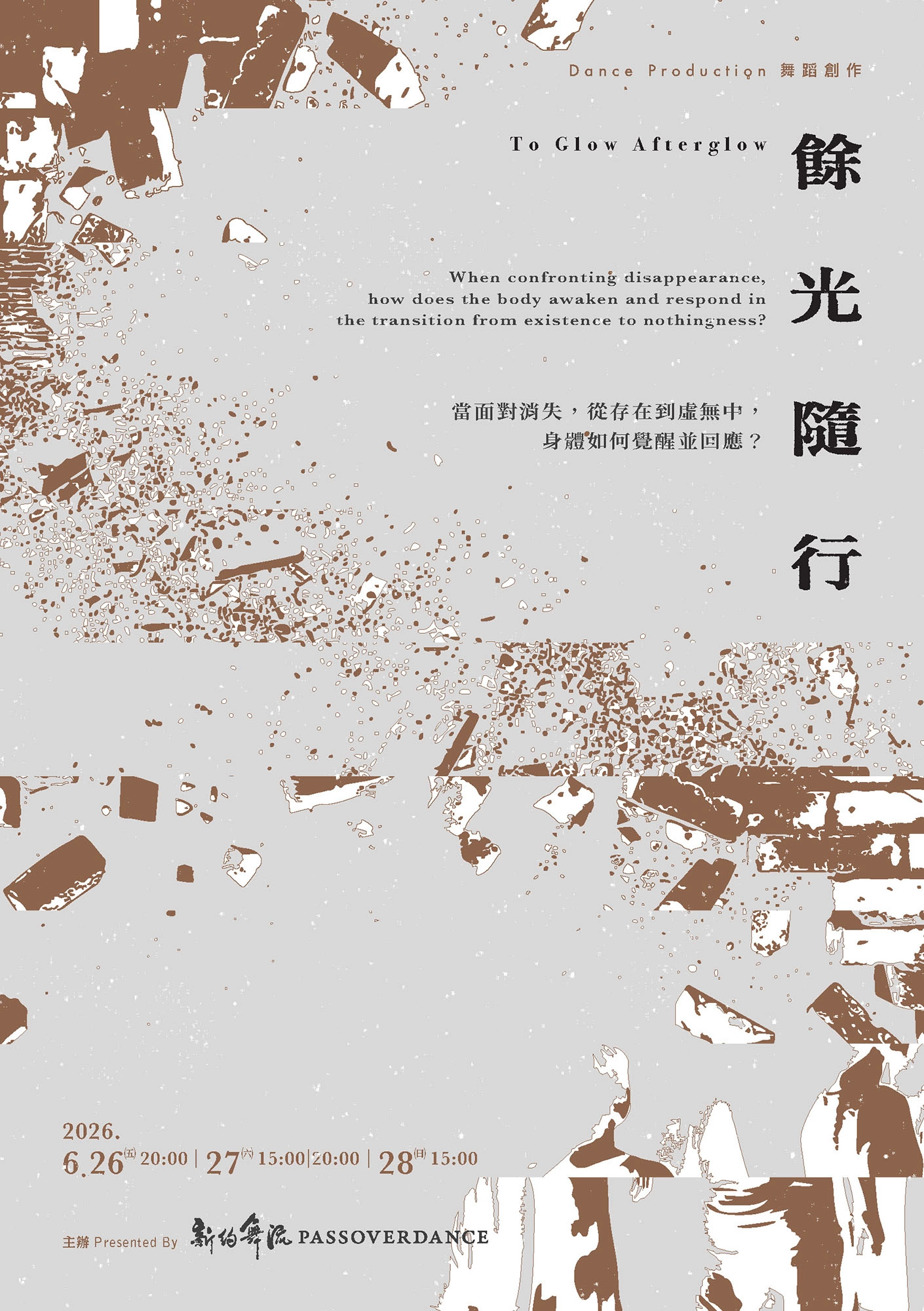
Yu Guang Sui Xing Dance Performance
NaN, NaN June 2026, 12:00-13:00 HKT
Hong Kong Cultural Centre Studio Theatre · Tsim Sha Tsui
Explore the poetic themes of disappearance, existence, and reconstruction in this evocative contemporary dance work pre…

Open the Box 2026: A Pleasant Place with Ryan Villamael
4 Jul 2026 to 2 Aug 2026, 11:00-19:00 HKT
Tai Kwun JC Contemporary · Central
Experience a dreamlike, immersive paper-art forest at Tai Kwun. Join Filipino artist Ryan Villamael in this participato…
From HKD 90· Collaborative Workshop Fee
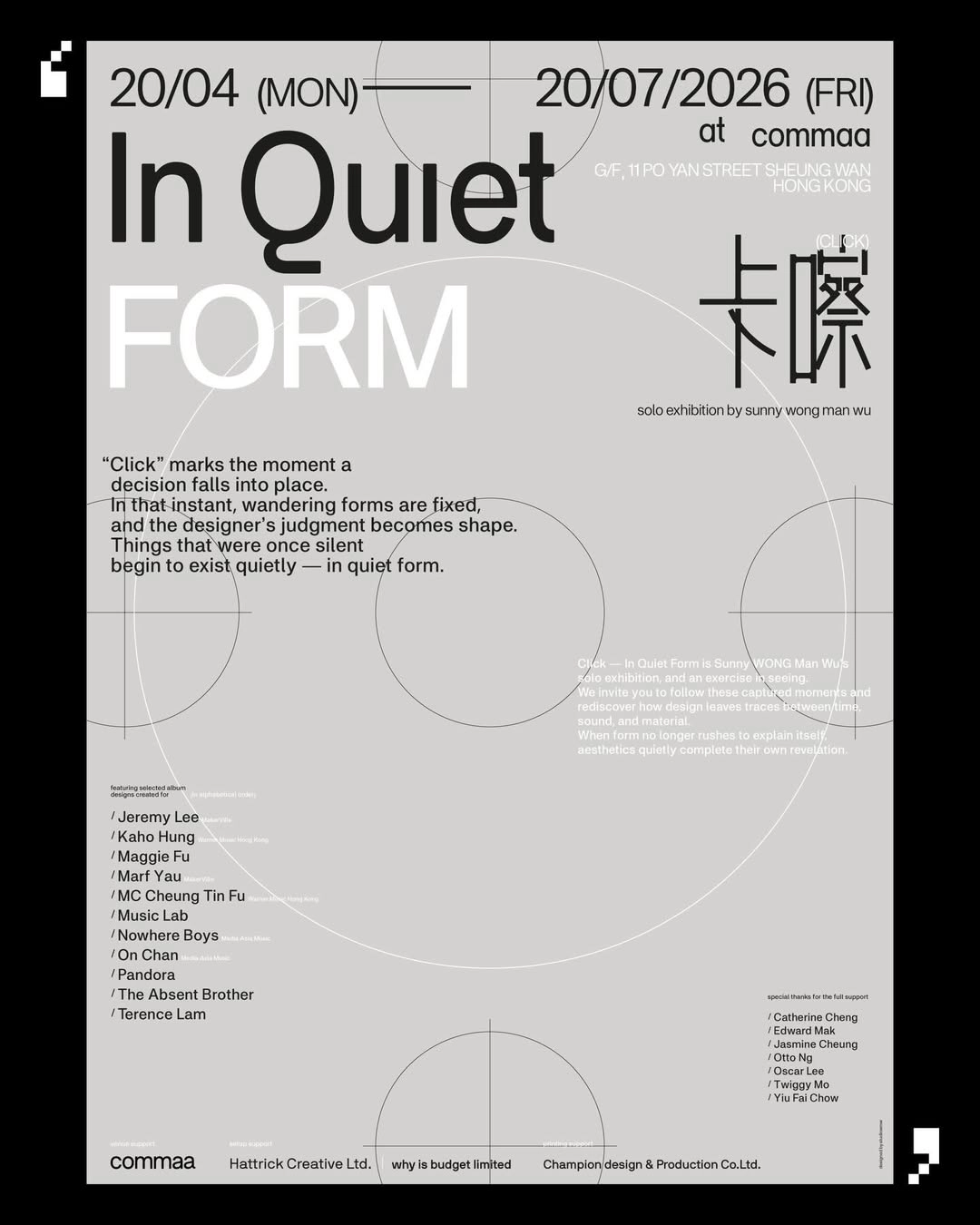
Sunny Wong 'Kacha' Exhibition
Every Monday, Tuesday, Wednesday, Thursday, Friday, Saturday, Sunday, 20 Apr 2026 to 20 Jul 2026, 00:30-10:00 HKT
commaa · Sheung Wan
Designer Sunny Wong hosts a deeply personal exhibition at commaa, Sheung Wan, inspired by Ellen Joyce Loo's song 'Kacha…